







Can a worried crypto beginner really manage money without paying a financial advisor thousands each year?
That question hits hard when Bitcoin drops overnight, gas fees spike, and tax season feels like a trap.
One retail crypto investor had the same fear. His portfolio was spread across banks, wallets, exchanges, ETFs, cash, and a few risky altcoins. His advisor charged close to the common asset under management fee, often around 0.5% to 1.5% per year for many clients. On a $250,000 portfolio, even a 1% fee means about $2,500 a year before fund costs. The SEC also reminds investors that every dollar paid in fees is money not working in the portfolio.
So, he tested the best finance apps for crypto investors. He did not want a theory. He wanted budget tracking, crypto portfolio tracking, net worth tracking, tax reports, and real spending control.
Quick Comparison: The 7 Apps That Made the Biggest Difference
| App | Best Use | Why It Helped Save Money |
| Empower Personal Dashboard | Investment tracking app | Shows budgeting, planning, and retirement tools in one place. |
| Monarch Money | Net worth tracker | Connects banks, cards, loans, real estate, and investments. |
| YNAB | Budgeting app | YNAB says new users save $600 in month one and over $6,000 after one year on average. |
| Rocket Money | Subscription control | Premium usually costs $7 to $14 monthly and helps spot bills and subscriptions. |
| Kubera | Crypto net worth tracker | Tracks digital assets, DeFi, NFTs, staking, lending, and stablecoins. |
| CoinStats | Crypto portfolio tracker | Tracks exchanges, wallets, DeFi protocols, and more than 20,000 coins. |
| Koinly | Crypto tax software | Paid tax plans start at $49 per tax year, with Form 8949 and other reports. |
1. Empower Personal Dashboard: The Advisor Screen He Needed First
The first app was Empower Personal Dashboard. It gave him a high-level view of spending, investments, retirement planning, and budgeting. Empower says its dashboard helps with budgeting, planning, and retirement decisions in one place.
This mattered because his old advisor mostly showed performance reports after the fact. Empower made the full picture visible before he made moves. As a result, he could see when his crypto risk was too large compared with retirement accounts and cash.

2. Monarch Money: The Household Money Map
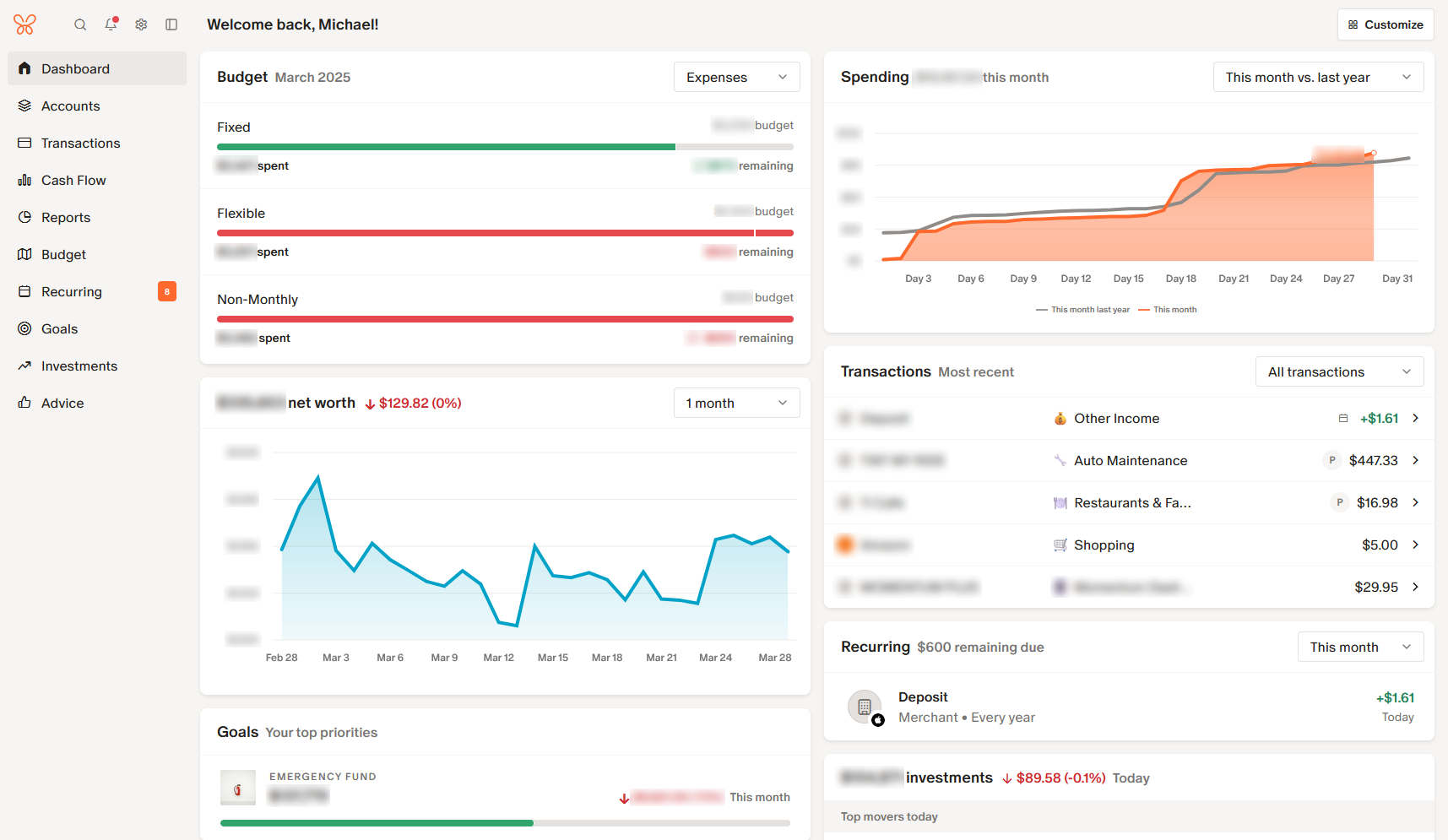
Next came Monarch Money. It worked better for day-to-day money control. Monarch connects bank accounts, credit cards, loans, real estate, and investments into one financial view. It also tracks spending, cash flow, goals, and recurring subscriptions.
For a crypto investor, this was useful. It showed whether new coin buys came from real spare cash or from money needed for bills. Also, Monarch allows partner or advisor collaboration at no extra cost, which helped replace paid check-in calls.
3. YNAB: The App That Stopped Random Crypto Buys
YNAB was the strict app in the stack. It forced each dollar to have a job. YNAB lets users connect accounts, track spending, set goals, and plan for debt.
This app saved money in a simple way. It stopped emotional buys. When meme coins ran hot, the investor could only buy from their set crypto investing budget. However, rent, taxes, emergency cash, and debt payments stayed protected.
YNAB also claims new users save $600 in the first month and more than $6,000 after one year on average. That single claim made the yearly fee easier to judge.

4. Rocket Money: The Subscription Leak Finder
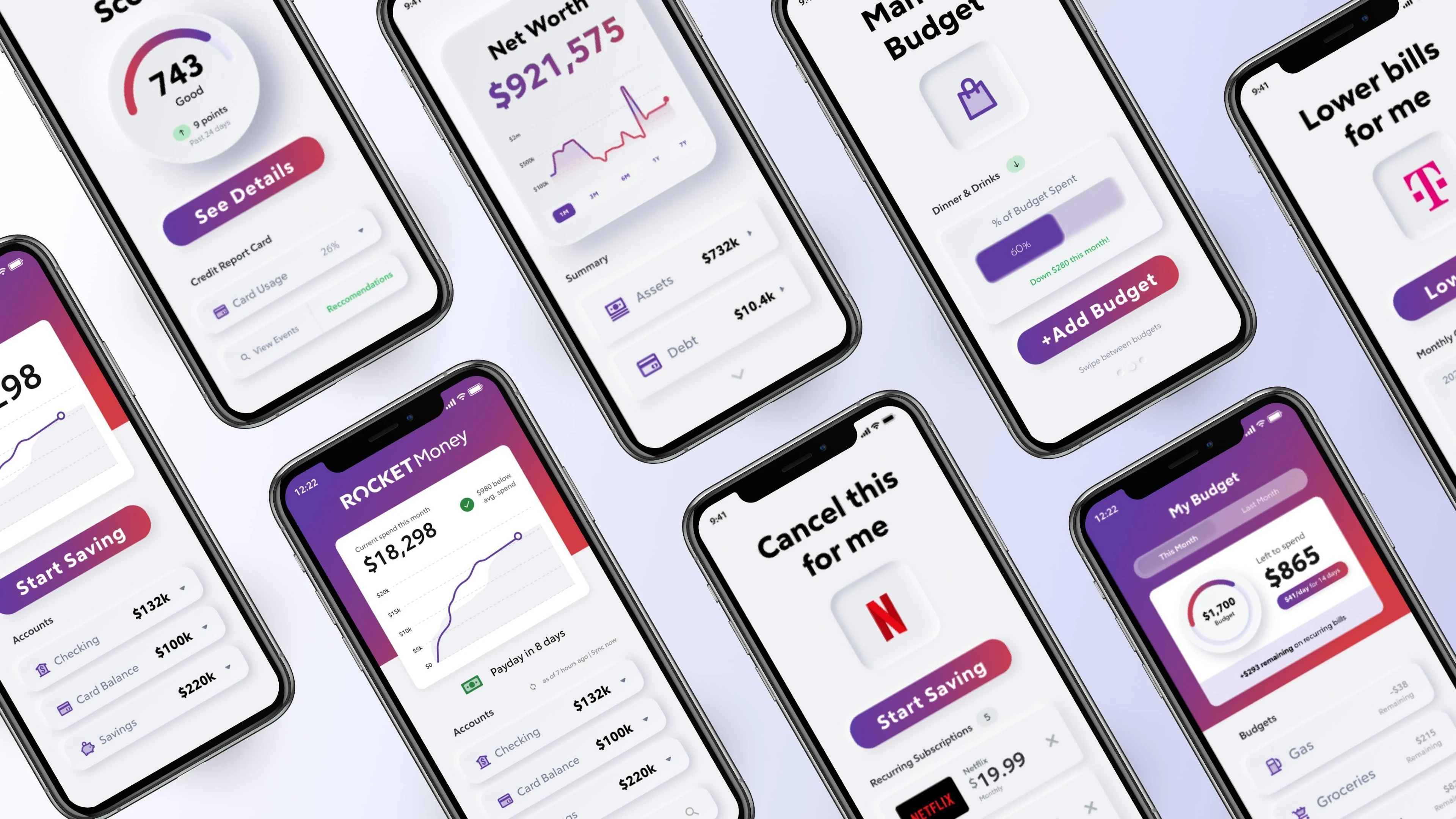
Then came Rocket Money. This was not a deep investment tool. It was a cleanup tool. Rocket Money says its Premium plan commonly falls between $7 and $14 per month.
It helped find forgotten apps, trading tools, charting services, and streaming charges. Small bills looked harmless alone. Together, they were draining cash that could fund savings, stablecoin reserves, or debt payoff. Therefore, Rocket Money became the fastest “money back” app in the group.
5. Kubera: The Serious Crypto Net Worth Tracker
Kubera became the app for total wealth. It stood out because it tracks more than basic bank balances. Kubera says it connects with major blockchains, exchanges, and wallets. It also tracks DeFi, NFTs, staking, lending, and stablecoins.
That was important. A normal spreadsheet missed staking rewards. It also missed wallet changes and NFT values. Meanwhile, Kubera gave him a cleaner net worth tracker for both traditional assets and digital assets.

6. CoinStats: The Daily Crypto Portfolio Tracker
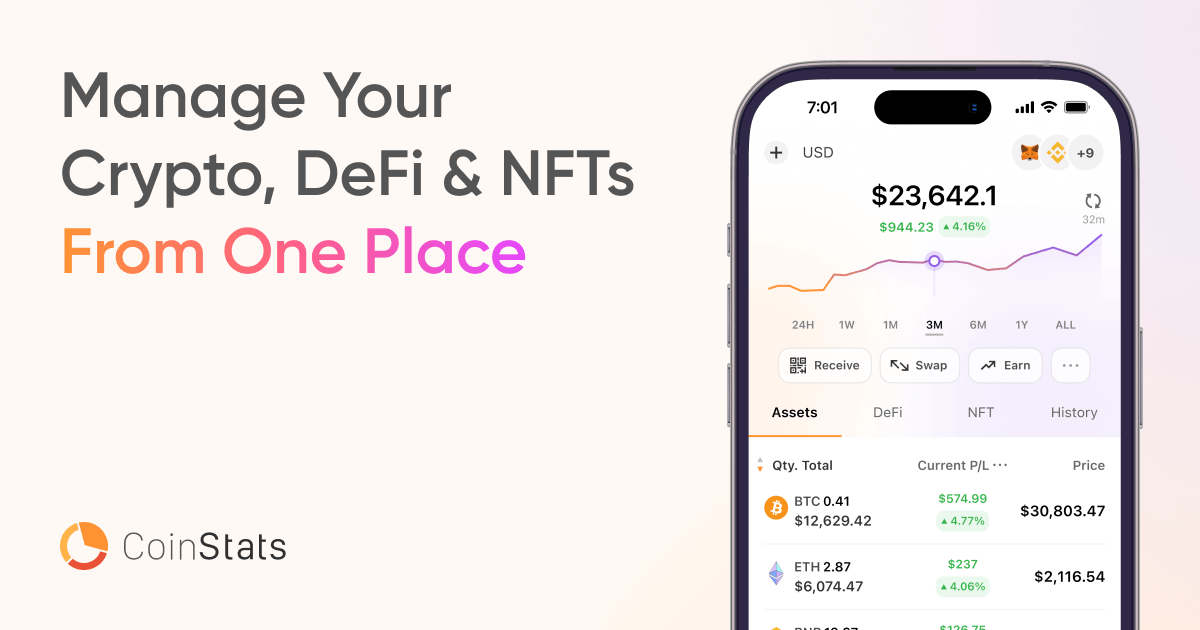
CoinStats handled the active crypto side. It tracks wallets, exchanges, DeFi protocols, and more than 20,000 coins. It also lists real-time tracking and advanced alerts as key features.
This reduced panic. Instead of opening five exchanges, he checked one crypto portfolio tracker. More importantly, alerts helped him avoid checking prices all day. That saved time, stress, and bad trades.
7. Koinly: The Crypto Tax Safety Net
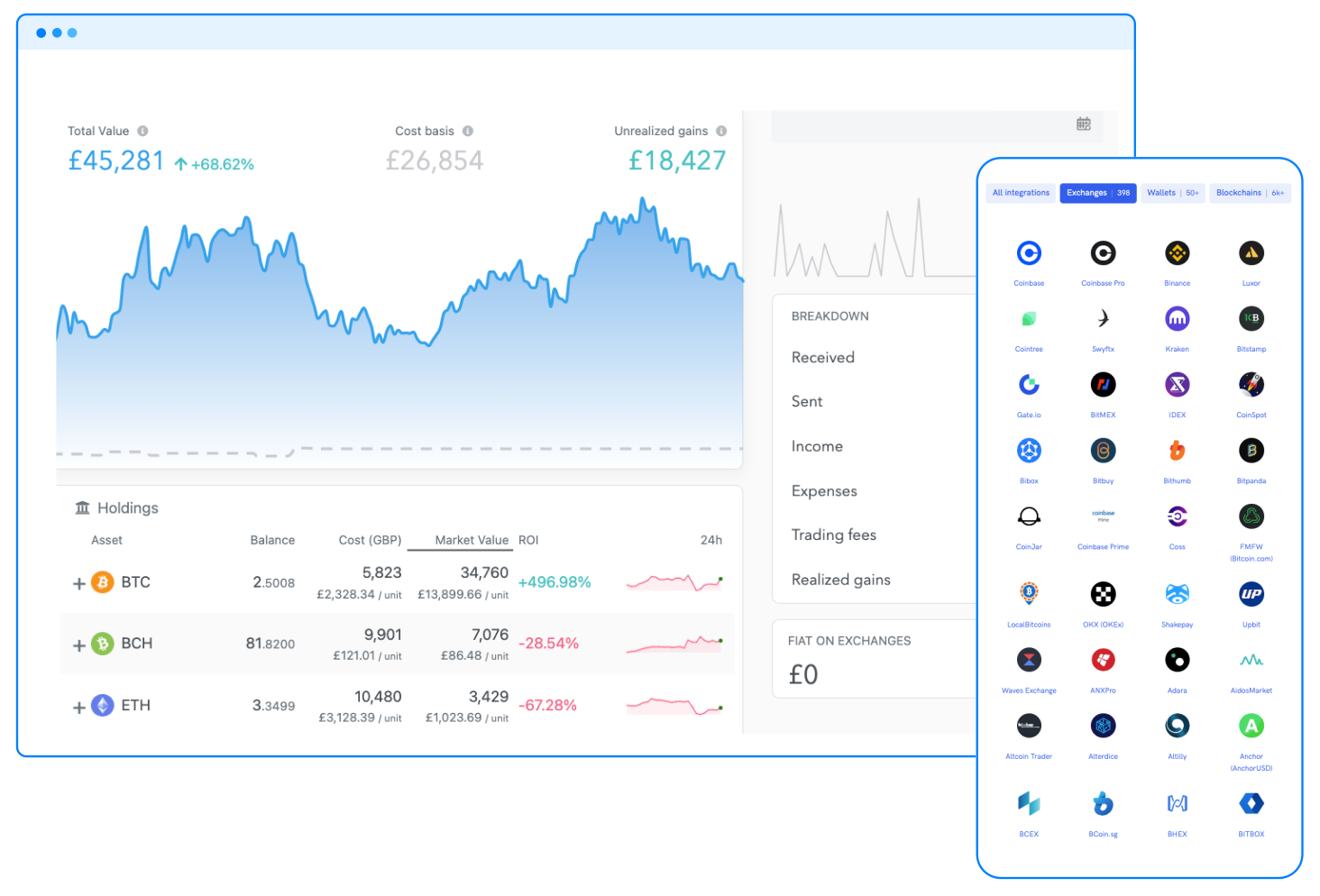
Last came Koinly, the app he wished he had used earlier. Koinly’s pricing page lists a free plan, then paid plans from $49, $99, and $199 per tax year, based on transaction needs. It also includes items like Form 8949, international tax reports, DeFi and NFT support, staking, lending, airdrops, and exchange fee tracking.
This did not replace a tax professional in every case. However, it gave clean records before tax time. For a crypto user with many wallets, this can reduce costly cleanup work and missed gains data.
The Money Lesson That Actually Stuck
The apps did not make him smarter overnight. They made his money visible. That was the real shift.
Empower showed the big picture. Monarch showed daily cash flow. YNAB controlled spending. Rocket Money cuts waste. Kubera tracked total wealth. CoinStats tracked crypto. Koinly helped with taxes.
Together, these finance apps for crypto investors replaced most of the tasks he once paid an advisor to repeat. Still, the biggest savings came from behavior. He bought less on hype. He paid fewer unused bills. He understood risk sooner.
Fewer Fees, Clearer Choices
A good advisor can still be worth it for estate planning, major tax issues, business exits, or complex family wealth. But many crypto beginners do not need to start with an expensive annual fee. They need a clear system first.
For this investor, the winning stack was simple: track everything, budget before buying crypto, cut waste, and prepare taxes early. That system saved thousands. More importantly, it turned money stress into a weekly routine he could actually follow.
Disclaimer: This article is for educational purposes only. It is not financial, tax, or legal advice. Crypto is risky, and readers should speak with a licensed professional for personal guidance.
Post Disclaimer
The information provided on Financepdia.com is for educational and informational purposes only and should not be considered financial, investment, or trading advice. Cryptocurrency and financial markets are highly volatile and involve significant risk. Readers should conduct their own research (DYOR) and consult with a qualified financial advisor before making any investment decisions. Financepdia.com and its authors are not responsible for any financial losses resulting from actions taken based on the information provided on this website.