


Is a crypto beginner tired of wild coin swings and now asking whether scalping vs swing trading in forex offers a smarter path?
That concern is real. Many traders move toward forex after crypto volatility leaves them stressed and unsure. So, the key question is simple:
Which style fits a trader’s time, mindset, and risk comfort?
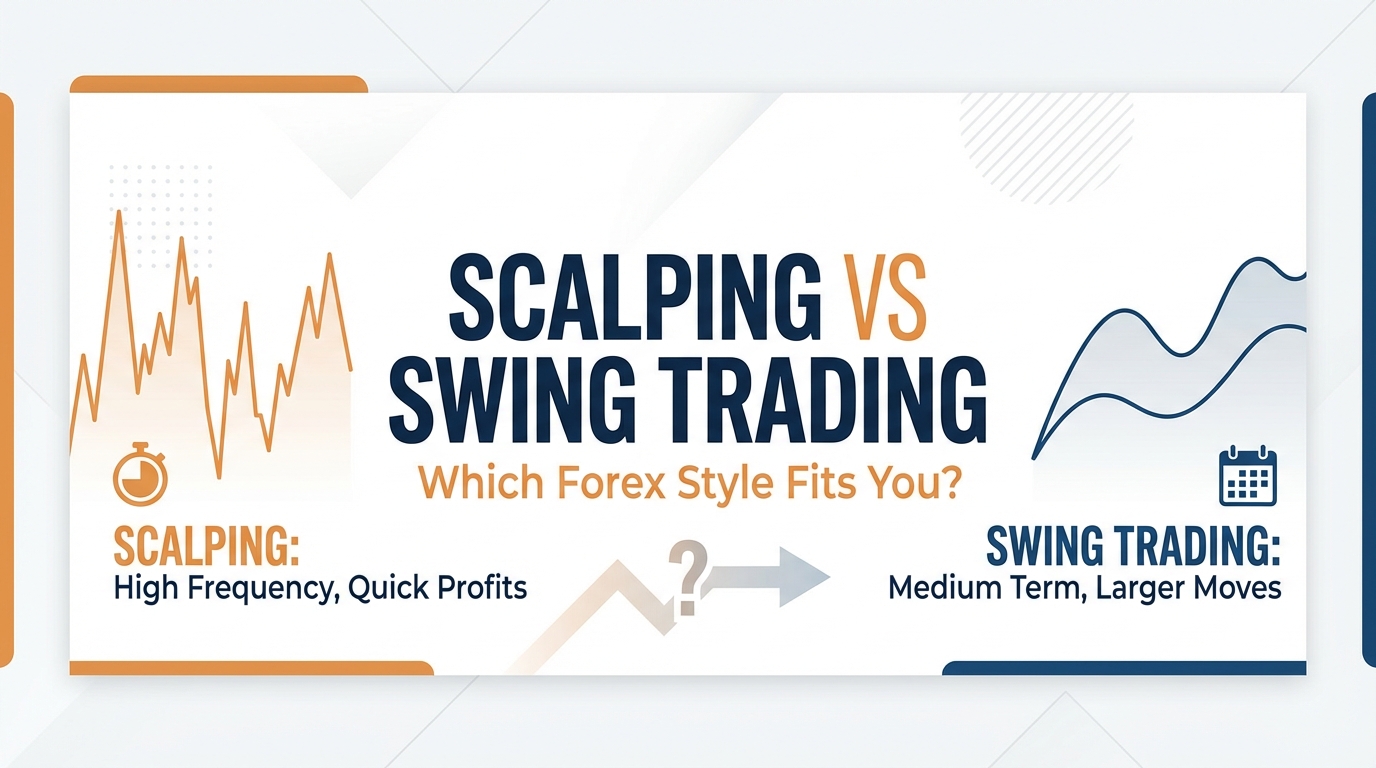
In forex, scalping means very short trades. A scalper may hold a position for seconds or a few minutes and may place many trades in one day. Swing trading, in contrast, aims to catch a broader move and often holds trades for several days to a few weeks. As a result, the two styles ask for very different habits and emotional control.
What Makes Scalping Different
A trader who chooses forex scalping usually wants speed. The goal is to take small price moves again and again. Low time frame charts matter, and technical analysis plays a big role because there is little time to think once a setup appears. Also, scalping often means long screen hours and quick reactions.
This style can suit a calm trader who likes fast decisions. However, it can feel rough for a person already worn down by crypto stress. Because the trade count is high, spreads, fees, and small execution errors can hurt results fast. So, scalping may look exciting, but it is rarely easy to repeat well without strong discipline.
What Makes Swing Trading Different
A trader who prefers swing trading usually wants more space. The goal is to catch a meaningful move in a currency pair, not every tiny tick. Trades often stay open for days, so the trader has more time to study trend direction, chart structure, and key news. For this reason, many learning pages describe swing trading as a style built around price patterns, indicators, and patience.
That is why swing trading for beginners often feels easier to handle. It does not demand nonstop chart watching, and it gives more room for planning. Also, it may fit traders who work, study, or simply do not want to sit in front of charts all day. Beginner-focused sources often note that swing trading is less draining than fast scalping because decisions do not need to happen in seconds.
Quick Comparison of Scalping & Swing Trading
| Factor | Scalping | Swing Trading |
| Holding time | Seconds to minutes | Days to weeks |
| Trade count | Many trades per day | Fewer trades |
| Main focus | Tiny price moves | Larger market swings |
| Screen time | High | Lower |
| Stress level | Often higher | Often lower |
| Best fit | Fast, highly focused trader | Patient, planning-focused trader |
| Cost pressure | Spread and fees matter more | Lower trade frequency |
Babypips defines scalping as trades held for seconds to minutes, while swing trading is usually held for days. OANDA also notes that scalpers may place multiple trades per day. Together, those points show why the two styles feel so different in real trading.
Which Style Often Fits Which Trader
A trader’s personality matters more than hype. A person who likes quick action may prefer short-term forex trading, but that same person may also overtrade. In contrast, a patient trader may do better with slower setups, wider stops, and fewer decisions. So, the better choice is usually the one a trader can follow with control.
Scalping often fits a trader who likes speed, accepts many small wins and losses, and can stay sharp for long periods. Swing trading often fits a trader who likes planning, can wait for confirmation, and does not need constant market action. For crypto traders, this matters even more. A slower forex style can bring balance after spending time in very fast markets.
Risk & Trading Psychology
No style removes risk. A scalper may use tight stops, but frequent trading can lead to emotional mistakes. A swing trader may take fewer trades, but each setup often needs more patience and wider price room. Therefore, forex risk management matters in both styles. A trader still needs clear position sizing, a firm stop-loss, and a fixed loss limit.
Trading psychology often decides the better fit. Scalping tests speed and focus. Swing trading tests patience and trust in the plan. If a trader closes trades too early, swing trading may feel hard. If a trader freezes during quick moves, scalping may become costly. So, the answer usually appears in behavior, not in marketing talk.
A Better Starting Point For Many Crypto Users
For many crypto-minded beginners, swing trading is often the cleaner place to start. It offers more thinking time, less chart pressure, and fewer rushed decisions. Also, it helps a trader build a method around technical analysis, currency pairs, and risk control before trying a faster style. That does not make scalping wrong. It simply means that scalping is less forgiving when discipline is still weak.
The Style That Stays With the Trader Wins
The debate around scalping vs swing trading has no one winner. Scalping suits traders who can act fast and stay disciplined under pressure. Swing trading suits traders who want more time, fewer decisions, and a calmer pace. In the end, the better forex style is the one that matches a trader’s routine, emotional control, and risk habits. When the style fits the person, consistent execution becomes far more likely.
Disclaimer: This article is for general education only. It is not financial advice. Trading forex and crypto carries risk, and losses can happen quickly. A trader should study the market and set personal risk limits before placing any trade.
Post Disclaimer
The information provided on Financepdia.com is for educational and informational purposes only and should not be considered financial, investment, or trading advice. Cryptocurrency and financial markets are highly volatile and involve significant risk. Readers should conduct their own research (DYOR) and consult with a qualified financial advisor before making any investment decisions. Financepdia.com and its authors are not responsible for any financial losses resulting from actions taken based on the information provided on this website.