Picture this. A luxury tower is going up in Dubai. It costs $50 million. Only a handful of wealthy investors can buy in. You and I? Locked out. Not enough capital. Not the right connections. That has been the story for decades. The rich invest early. The rest watch from the sidelines.
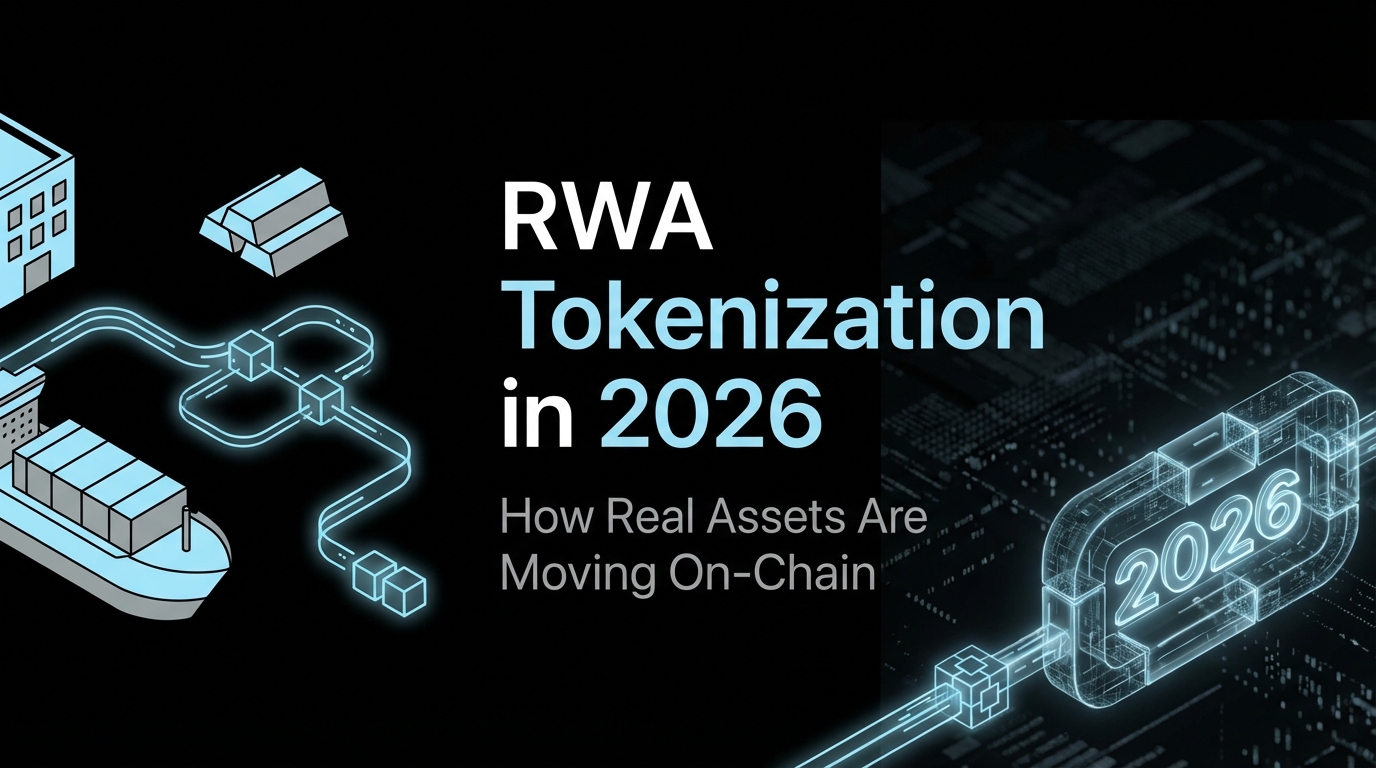
Now imagine owning a tiny slice of that tower. Maybe $100 worth. No bank. No broker. Just a digital token on a blockchain. That is what RWA tokenization does. It takes real things like buildings, bonds, and gold. It turns them into digital tokens anyone can own. And in 2026, this shift is no longer a concept. It is happening at scale. BlackRock is in. Major banks are in. Even Dubai’s biggest developers are in. Let us break it all down.
Key Takeaways
- RWA tokenization turns physical assets into digital tokens.
- BlackRock’s BUIDL fund manages billions in tokenized US Treasuries.
- The GENIUS Act created the first US stablecoin law in July 2025.
- Tokenized US Treasuries crossed $10 billion by early 2026.
- Dubai’s DAMAC Group signed a $1 billion tokenization deal with MANTRA Chain.
- Major firms project the RWA market could reach $10 to $16 trillion by 2030.
What Is RWA Tokenization?
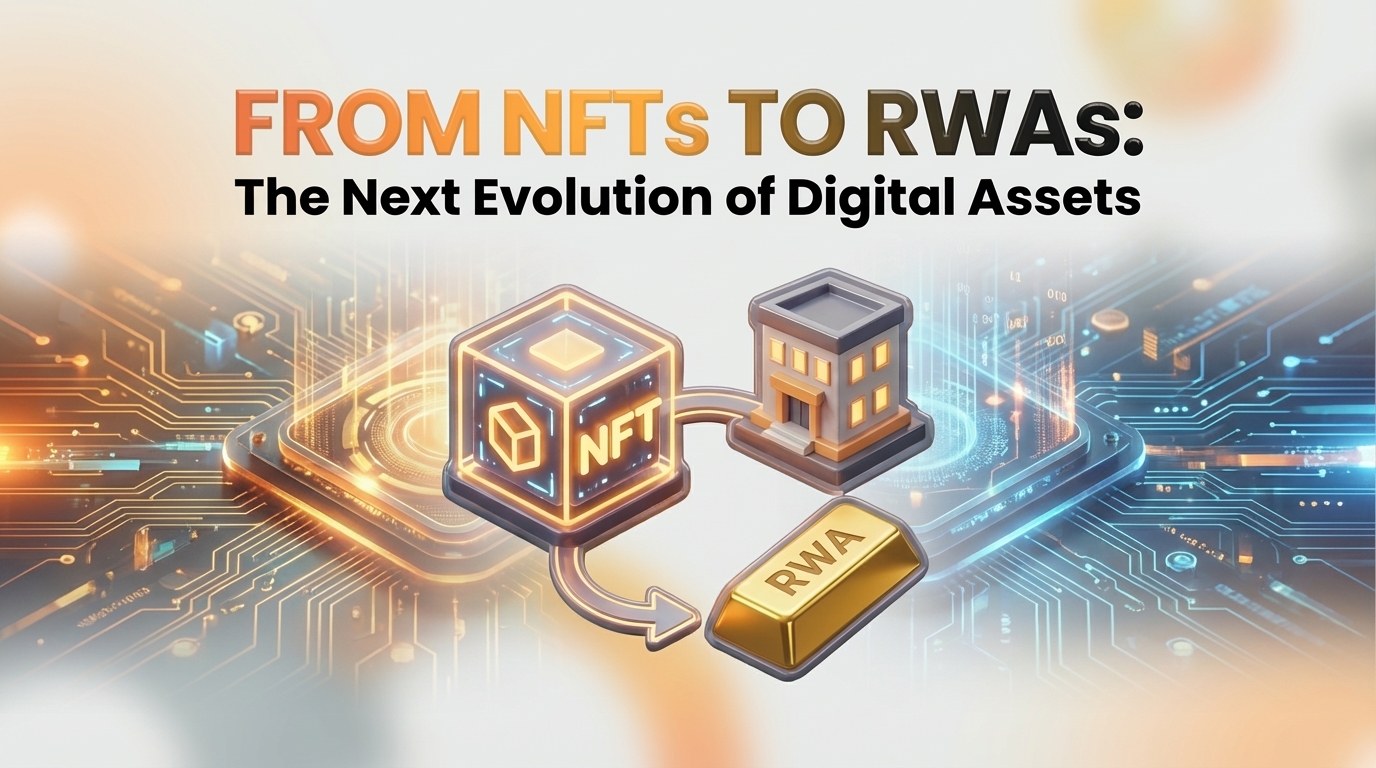
RWA stands for Real-World Assets. Tokenization means turning something real into a digital token. That token lives on a blockchain. It proves you own a piece of the real thing.
Think of it like this. A building is worth $10 million. You split it into 10 million tokens. Each token equals $1 of ownership. Anyone can buy one token or a thousand. No bank needed. No paperwork mountain. The blockchain records who owns what.
This works for many asset types. Real estate is the biggest one. But it also covers bonds, gold, art, and even patents. The goal is simple. Make investing cheaper, faster, and open to more people.
How the Process Works?
Bringing a real asset on-chain follows three steps.
| Step | What Happens | Why It Matters |
| Off-Chain Setup | The asset is valued and legal ownership is documented. | This ensures the token has a real, verified asset behind it. |
| Information Bridge | Asset data is fed into the blockchain using oracles. | Oracles connect real-world facts to smart contracts. |
| Token Minting | Smart contracts create digital tokens for investors. | Tokens can be traded, held, or used as collateral 24/7. |
Smart contracts do the heavy lifting. They enforce rules automatically. They handle payouts. They track ownership. No middleman needed.
Source: BlackRock BUIDL fund structure via Securitize
Why Big Institutions Are Moving In?
This is not a small experiment anymore. The numbers tell the story.
BlackRock launched its BUIDL fund in March 2024. It tokenizes US Treasury bills on the blockchain. By mid-2025, it peaked near $2.9 billion in assets. It now operates across nine blockchains including Ethereum, Solana, and Polygon.
The total tokenized US Treasury market crossed $10 billion by January 2026. Circle’s USYC briefly overtook BUIDL as the largest product. That competition shows the space is growing fast.
Source: CryptoSlate, January 2026
In February 2026, BlackRock took another big step. It listed BUIDL for trading on Uniswap. This was the first time a major Wall Street firm used DeFi trading infrastructure for a tokenized fund.
The Law That Changed Everything
For years, crypto lacked clear US rules. That changed on July 18, 2025. President Trump signed the GENIUS Act into law. It created the first federal framework for payment stablecoins.
The law requires stablecoins to be backed one-to-one by US dollars or Treasuries. Issuers must pass strict compliance checks. This gave institutions the legal clarity they needed to move faster into tokenized assets.
The same week, the House passed the Digital Asset Market Clarity Act. That bill covers broader digital asset rules. It awaits Senate review.
Source: Latham & Watkins GENIUS Act Analysis
Real-World Deals Already Happening
Tokenization is not just for Treasuries. Real estate is moving on-chain too.
In January 2025, MANTRA Chain signed a $1 billion deal with Dubai’s DAMAC Group. The agreement covers luxury real estate, hospitality, and data centers. DAMAC’s assets will be tokenized exclusively on the MANTRA blockchain.
DAMAC Managing Director Amira Sajwani said tokenizing their assets gives investors a secure and transparent way to access opportunities. This deal alone shows how fast traditional businesses are adopting blockchain rails.
The Core Benefits for Everyday Investors
Why should a regular person care about RWA tokenization?
- Fractional ownership: Buy a $100 slice of a $50 million property. No minimum six-figure investment needed. Platforms like RealT already do this. Investors buy into US rental properties for as little as $50. They earn daily rental income paid directly to their wallet.
- 24/7 trading: Tokens trade around the clock. No waiting for market hours or slow bank transfers.
- Lower costs: Smart contracts replace brokers, lawyers, and settlement agents. Fewer middlemen means lower fees.
- Transparency: Every transaction is recorded on a public blockchain. Ownership is clear and auditable.
- Global access: Anyone with an internet connection can participate. Geography stops being a barrier.
These benefits explain why major firms like Roland Berger and BCG project the total tokenized asset market could reach $10 to $16 trillion by 2030.
The Risks You Should Know
No honest guide skips the risks. RWA tokenization is promising. But it is not risk-free.
Regulations still vary by country. What works in the US may not work in Europe or Asia. Smart contracts can have bugs. If code fails, assets could be at risk. Blockchain oracles must be accurate. Bad data means bad outcomes. Solutions exist though. Chainlink Proof of Reserve verifies that real assets actually back the tokens on-chain. And liquidity is still growing. Not every tokenized asset has a deep market of buyers yet.
These are real challenges. They do not erase the potential. But they demand caution and research.
What Comes Next
RWA tokenization is moving from pilot phase to infrastructure phase. BlackRock, Fidelity, and Franklin Templeton are all active. New standards like ERC-TRUST aim to handle complex legal actions such as freezing or seizing assets by court order. Cross-chain identity systems are emerging to sync compliance data across blockchains.
The foundation is being built right now. The question is no longer “will this happen?” It is “how fast?”
This article is for informational purposes only. It is not financial advice. Always do your own research before investing. Tokenized assets carry risks including regulatory, technical, and liquidity risks.
Frequently Asked Questions
Is RWA tokenization legal in the United States?
Yes. The GENIUS Act, signed in July 2025, created the first federal framework for payment stablecoins. The Digital Asset Market Clarity Act is also progressing through Congress. These laws give institutions a clearer path to tokenize and trade real-world assets.
Can regular people invest in tokenized real-world assets?
It depends on the product. Some, like BlackRock’s BUIDL, require “Qualified Purchaser” status with a high minimum investment. Others, like Ondo Finance’s OUSG, have lower entry points. As the market matures, access is expected to widen for retail investors.
How is tokenized real estate different from a traditional REIT?
A REIT is a company that owns properties and sells shares on a stock exchange. Tokenized real estate puts ownership directly on a blockchain. Tokens can trade 24/7, settle faster, and offer fractional ownership at much smaller amounts than most REIT shares.
Disclaimer: This article is for informational and educational purposes only and should not be considered financial or investment advice. Cryptocurrency markets are volatile and involve risk.
Post Disclaimer
The information provided on Financepdia.com is for educational and informational purposes only and should not be considered financial, investment, or trading advice. Cryptocurrency and financial markets are highly volatile and involve significant risk. Readers should conduct their own research (DYOR) and consult with a qualified financial advisor before making any investment decisions. Financepdia.com and its authors are not responsible for any financial losses resulting from actions taken based on the information provided on this website.