




What happens if a trader faces a long losing streak, a sharp market crash, or a frozen exchange account right when bills are due?
That question matters more in crypto than in many other markets. Prices can swing fast. Liquidity can dry up. Fear can spread in hours, not weeks. That is why an emergency fund for traders is not optional. It is a base layer of survival. The Consumer Financial Protection Bureau says emergency savings help people handle unexpected costs and stay on track financially. At the same time, the SEC’s Investor.gov and the CFTC warn that crypto can be highly volatile and speculative.
So, the real issue is not whether a trader needs cash on the side. The real issue is how much cash reserve is enough. Moreover, the answer depends on income, trading style, and how exposed the trader is to sudden market shocks.
Why Traders Need More Cash Than They Think
A normal saver may build a fund for car repairs, rent, or a medical bill. A trader faces those same problems, but also deals with drawdowns, margin pressure, platform risk, and sudden drops in market value. In crypto, those risks can hit all at once. The SEC says people should only put at risk money they can afford to lose entirely in speculative assets.
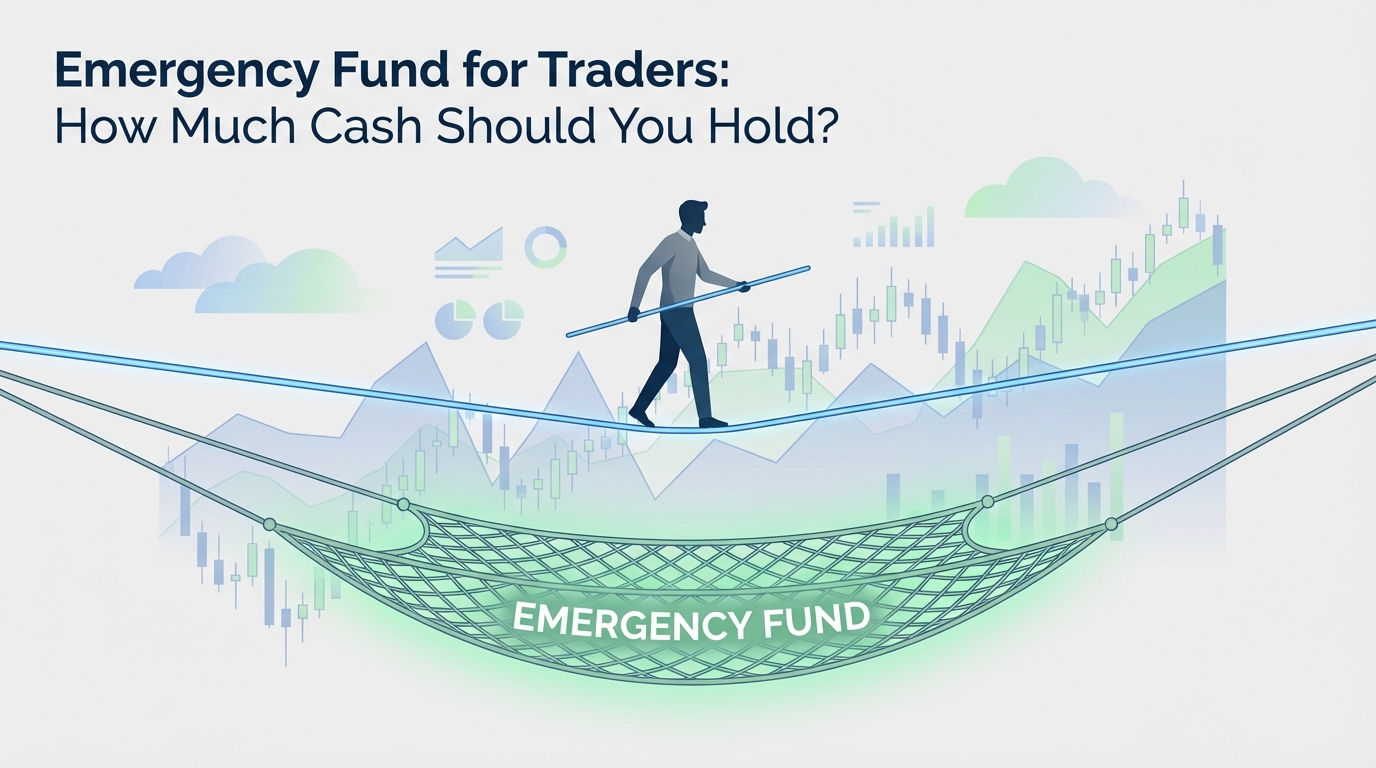
Therefore, a trader should keep trading capital separate from emergency savings. That line must stay clear. If a trader pays rent from a trading account, every bad week becomes a personal crisis. As a result, poor choices often follow. That can mean revenge trades, oversizing, or selling long-term holdings at the worst time.
The Base Rule: Start With 3 to 6 Months of Core Expenses
For most people, the usual starting point is 3 to 6 months of essential living costs. That range appears often in public savings guidance, including material from the CFPB, the FDIC, and Investor.gov.
However, many active traders may need more than that. “Why?” Because trading income is not stable. Crypto prices can drop hard, and access to funds may not always be smooth. So, 6 to 12 months of core expenses is often a more sensible target for full-time traders or anyone whose income depends heavily on trading. This is an inference based on standard emergency fund guidance plus official warnings that crypto is highly volatile and speculative.
A Simple Formula Traders Can Use
A trader can keep the math simple:
Emergency Fund = Monthly Core Expenses × Number of Months to Protect
Core expenses should include:
- Rent or mortgage
- Food
- Utilities
- Insurance
- Debt payments
- Transport
- Basic family costs
- Phone and internet
It should not include luxury spending, new token buys, or extra risk capital. In addition, this fund should sit in cash or cash equivalents, not in altcoins, not in staking products, and not in a leveraged account. The point is access and stability, not yield. The FDIC notes that emergency savings should be available for unexpected needs, while the SEC warns that crypto platforms and assets may lack protections and can carry major loss risk.
How Much Cash Should Different Traders Hold?
| Trader Type | Suggested Cash Buffer | Why It Makes Sense |
| Part-time trader with a stable salary | 3 to 6 months | Salary lowers pressure on trading income |
| Active swing trader with mixed income | 6 to 9 months | Income may change from month to month |
| Full-time crypto trader | 9 to 12 months | High exposure to volatility and long drawdowns |
| Trader using leverage | 12 months or more | Losses can grow fast in stressed markets |
| Trader supporting a family | 9 to 12 months | Higher fixed costs and lower room for mistakes |
This table is not a hard rule. Still, it gives a practical frame. The more unstable the income, the bigger the cash reserve should be.
Where Should the Emergency Fund Be Kept?
This part matters a lot. A trader may think stablecoins are close enough to cash. That can be risky. Stablecoins carry issuer risk, platform risk, and access risk. Crypto trading venues can also face outages, delays, or legal issues. The SEC and CFTC both stress that crypto markets can involve high volatility and reduced investor protection.
So, the safest place for an emergency savings fund is usually:
- A bank savings account
- A high-yield savings account
- A cash management account
- A short-term cash product with easy access
In other words, the emergency fund should stay outside the trading stack.
Signs the Fund Is Too Small
A trader likely needs a bigger buffer if any of these are true:
- Bills depend on monthly trading wins
- One bad week creates panic
- A market crash would force coin sales
- The trader borrows for living expenses
- There is no spare cash outside exchanges
If those signs appear, the problem is not only risk management in trades. It is also personal finance for traders. Therefore, building a larger cash reserve may help more than finding the next setup.
How to Build the Fund Without Killing Trading Progress
A trader does not need to build it in one move. Small steps work.
First, set a target number. Next, split it into monthly deposits. Then, send that money to a separate account before adding new trading capital. The CFPB and FDIC both point to regular saving habits and small repeat actions as useful ways to build emergency savings.
A simple approach can look like this:
- Step 1: Save one month of core expenses
- Step 2: Reach three months
- Step 3: Move toward six months or more
- Step 4: Refill the fund after any use
Moreover, during high-profit months, a trader can send a fixed share of the gains to the fund. That keeps good months from creating false confidence.
The Smart Goal Most Crypto Traders Miss
Many traders focus on entries, exits, and indicators. Few focus enough on liquidity and survival. Yet survival often decides who stays in the game long enough to improve. A trader with a strong cash reserve can step back, cut risk, and wait for better conditions. A trader without one may feel forced to trade in bad markets.
That difference is huge. A good emergency fund buys time, clear thinking, and staying power. In a market known for violent swings, that may matter more than one more winning trade.
Cash Is Not Idle, It Is Protection
For traders, cash on the side is not dead money. It is protection against stress, forced selling, and bad decisions. Most crypto traders should start with at least 3 to 6 months of core expenses, while active or full-time traders may be better served by 6 to 12 months or more, based on their risk, income stability, and family needs. That judgment follows common emergency savings guidance and official warnings about crypto volatility.
In the end, the trader who keeps emergency savings separate from trading capital gives himself or herself a better chance to stay calm when markets turn ugly. And in crypto, that calm can be worth a lot.
Disclaimer: This article is for general education only and is not financial, legal, or tax advice. Crypto trading involves high risk, and losses can be total. Readers should do their own research and consider speaking with a licensed financial professional.
Post Disclaimer
The information provided on Financepdia.com is for educational and informational purposes only and should not be considered financial, investment, or trading advice. Cryptocurrency and financial markets are highly volatile and involve significant risk. Readers should conduct their own research (DYOR) and consult with a qualified financial advisor before making any investment decisions. Financepdia.com and its authors are not responsible for any financial losses resulting from actions taken based on the information provided on this website.